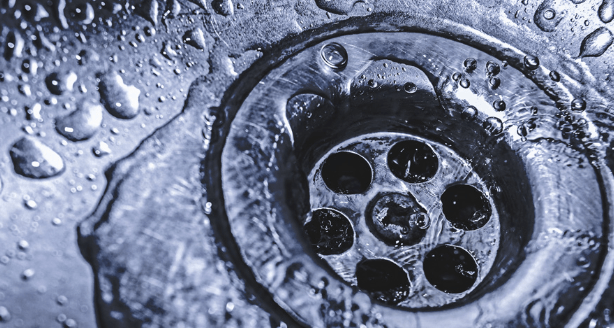
A slow drain can signal a buildup or partial clog. Start with a quick check of fixture use history and recent changes, then inspect the trap, vent, and visible piping for obstructions. Test water flow to locate bottlenecks and note any odors or gurgling. If a clog seems likely, try safe at-home methods—patience, minimal disruption, and the right tools—before considering more invasive steps that reveal the problem’s scope. The next step clarifies what to tackle first.
How to Diagnose a Slow Drain Quickly
To diagnose a slow drain quickly, start with a quick ownership check of the fixture. The procedure emphasizes drain diagnostics and practical steps, not speculation. Observe fixture usage history, recent changes, and potential foreign objects. Perform quick checks: inspect trap, vent, and visible piping connections; test water flow; note any odors or gurgling. Record findings for targeted resolution and safer fixes.
Clear the Clog: Safe At-Home Methods to Try
Clear the clog using safe, at-home methods that respect the prior diagnostic findings. The guide presents practical, procedural steps, focusing on minimal disruption and reliable results. It emphasizes assessment, patience, and methodical execution. Each method respects plumbing safety and environment, avoiding excessive force. Clear clog actions employ measured, simple techniques, with an emphasis on at home methods and predictable outcomes for freedom-seeking readers.
When to Plunge and What Tools Help Most
When is plunging appropriate and which tools maximize effectiveness? Plunging is best for small, surface clogs. A standard cup plunger creates a strong seal; a flange plunger is more effective for drains with bends. Tools: plunger, plumber’s snake, or a drain auger. Use cautious, mechanical force; avoid chemical cleaners if sewer maintenance is planned, as they can hinder downstream work.
Prevent Future Slowdowns: Pro Tips and Maintenance
Preventing future slowdowns relies on a disciplined routine of preventive steps and mindful maintenance. Regularly inspect traps and seals, clear debris from screens, and run hot water briefly after use to flush residual buildup.
Schedule periodic drain checks, use enzyme cleaners, and avoid chemical overload.
preventive maintenance reduces emergency fixes, while cost saving tips minimize replacement expenses and encourage proactive care.
See also: Smart Infrastructure Powered by IoT
Conclusion
In exploring the theory that slow drains stem from a single, hidden cause, the evidence is more practical: clogs form from accumulated debris, hair, and soap scum, while venting issues and pipe bends also contribute. A methodical approach—inspect, test flow, and apply safe at-home remedies—proves effective. When stubborn, recognizing multiple factors helps. Regular maintenance, mindful disposal, and gentle tools prevent recurrences. The most reliable fix blends diagnosis with patience and proper technique, not quick shortcuts.